.png)
Black Fashion Designers Who Changed the Industry Forever
- Feb 10
- 4 min read
From streetwear’s earliest pioneers to couture-level history makers, these creatives didn’t just design clothes — they changed the whole conversation.

Black Fashion Designers Who Changed the Industry Forever: 11 Icons to Know
Okay friends, quick reality check: fashion history is way bigger than the same handful of European names we always hear. A lot of the stuff we call “modern,” “cool,” “street,” “elevated basics,” or “quiet luxury with an edge” was shaped by Black fashion designers—people who built new lanes when the industry tried to keep the gates closed.
So here’s a list of 11 designers who didn’t just have a moment… they shifted the culture. And I’m not doing the boring museum-audio-guide version. This is the “let me put you on” version.
Why Black fashion designers matter in every era
Fashion isn’t only about pretty clothes. It’s about access, visibility, identity, and who gets credit.
These designers:
proved style can be democratic (made for real life, not just elites),
made luxury feel relevant to culture,
pulled heritage into modern silhouettes without turning it into costume,
and basically rewired how trends are born (hello streetwear + social media).
1) Willi Smith — the original streetwear genius

Before streetwear became a marketing buzzword, Willi Smith was already designing for real people. His label WilliWear (launched in the 1970s) mixed affordability, comfort, and a kind of joyful “wear it your way” energy that feels super current now.
His whole vibe was: fashion shouldn’t be precious — it should be lived in.
Friend take: he made everyday style feel important before Instagram made “outfit pics” a thing.
2) Stephen Burrows — disco-era magic, but make it fashion history

If you’ve ever loved a dress that moves when you move, thank Stephen Burrows. He’s famous for those rippling “lettuce hem” edges and bold color work that basically captured the energy of 1970s nightlife.
His success helped crack open doors for Black designers at a time when the industry was not trying to share the spotlight.
3) Patrick Kelly — couture-level joy and bold storytelling

Patrick Kelly brought humor, pop culture, and Black references into high fashion in a way that felt fearless. His work wasn’t asking permission. It was loud, playful, and technically sharp — the kind of style that makes you smile and think at the same time.
Friend take: he proved fashion can be serious craft and fun.
4) Dapper Dan — the blueprint for luxury streetwear

Let’s be clear: luxury brands love streetwear now. But Dapper Dan was remixing logos and silhouettes back in the 80s at Dapper Dan's Boutique in Harlem — for the people the luxury world wouldn’t even let into their stores.
Then the most iconic full-circle moment happened: Gucci eventually worked with him. That’s not just a collaboration — that’s the culture being forced to acknowledge who started the wave.
5) Ozwald Boateng — Savile Row tailoring, but with heat

Ozwald Boateng took traditional British tailoring and injected it with color, sharpness, and a modern attitude. He didn’t change the suit — he changed what the suit means when you walk into a room.
Friend take: he made “formal” feel personal, not stuffy.
6) Tracy Reese — prints, optimism, and purpose
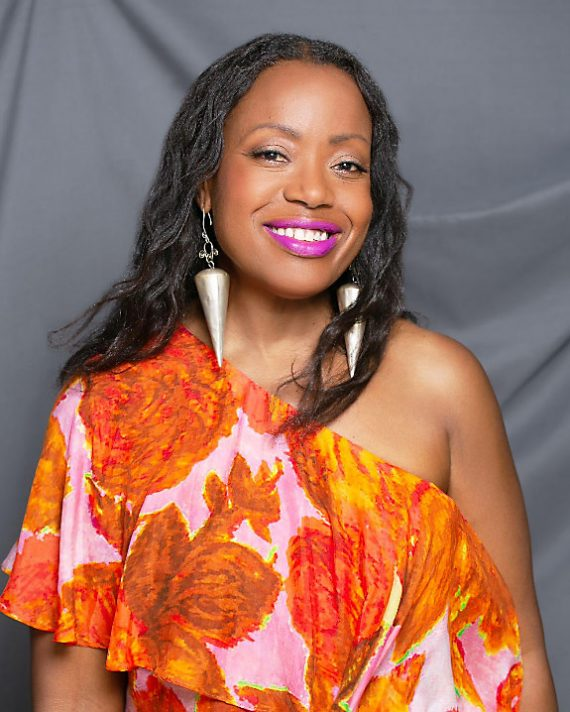
Tracy Reese has always delivered that “happy but polished” femininity — the kind of clothes that feel like you’re stepping into your best day. And later, she pushed harder into sustainability with Hope for Flowers, showing that beauty and responsibility can live in the same closet.
7) Virgil Abloh — the modern bridge between street, art, and luxury

Virgil Abloh changed what luxury looks like and who it’s for. Through Off-White and later at Louis Vuitton, he made fashion feel plugged into music, design, and real-world culture — not separate from it.
Friend take: he made luxury stop whispering and start speaking the language of a whole generation.
8) Pharrell Williams — when pop culture becomes fashion power

Before he was leading menswear at Louis Vuitton, Pharrell Williams helped push streetwear into mainstream fashion with Billionaire Boys Club (and more). His fashion impact is basically proof that music + style have always been a package deal.
9) Olivier Rousteing — making luxury speak the internet’s language
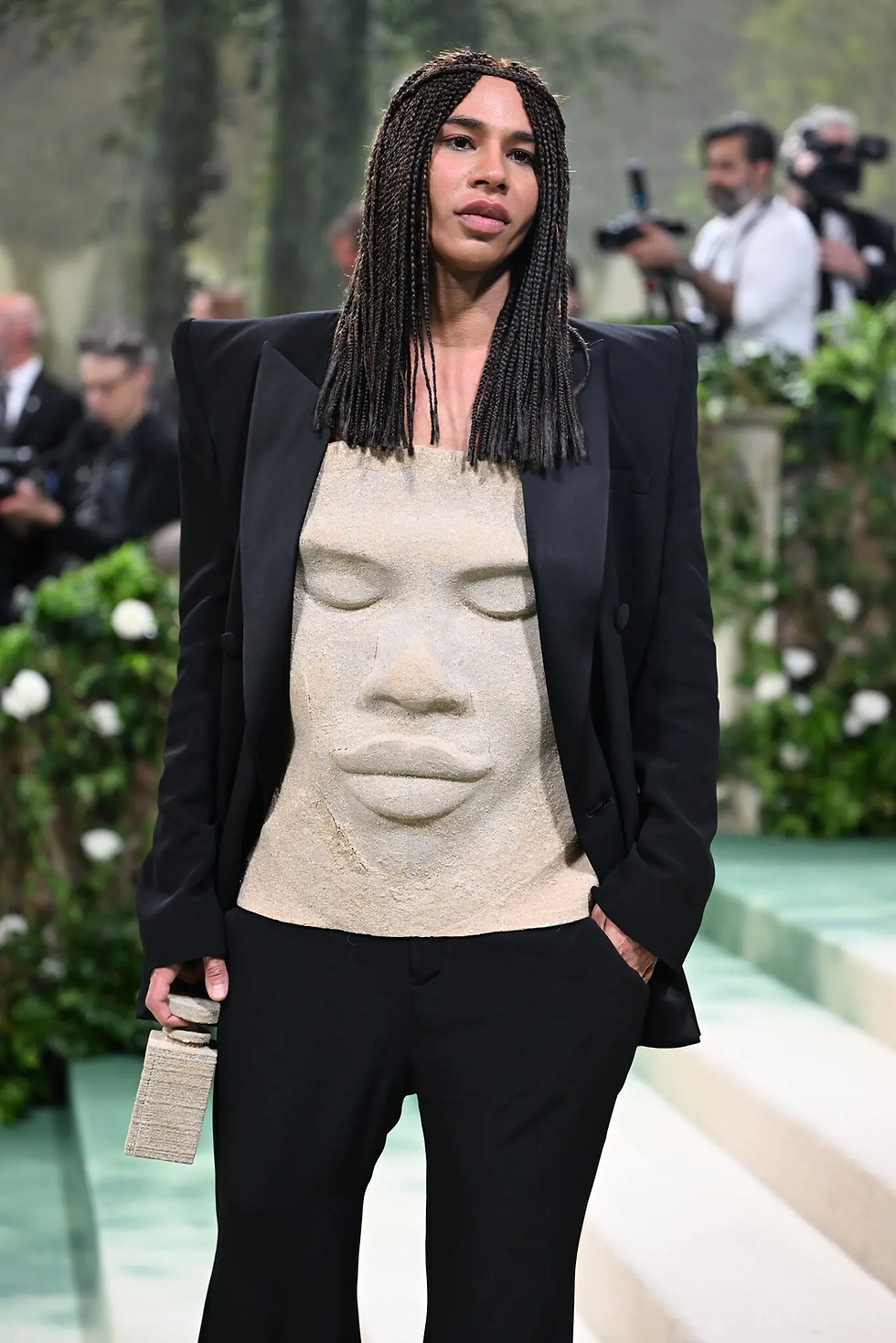
When Olivier Rousteing took over Balmain young, people talked. Then he built a whole aesthetic: strong shoulders, shine, body confidence, and high-glam drama — plus a celebrity-driven approach that basically predicted how fashion would work in the social media era.
10) Grace Wales Bonner — the art-school soul of modern menswear

Grace Wales Bonner makes fashion that feels researched, emotional, and beautifully specific. She’s known for merging tailoring with cultural storytelling, and her collaborations with Adidas helped reshape what “cool sneakers” looked like in the 2020s.
Friend take: her work feels like fashion with a brain and a heart.
11) Priya Ahluwalia — upcycling, identity, and future-fashion

Priya Ahluwalia represents where fashion is going: more storytelling, more responsibility, more global references that are personal (not performative). Her work proves sustainability doesn’t have to look “earthy” or basic — it can look sharp, graphic, and new.
The takeaway
If you’ve ever loved streetwear, sneaker culture, bold tailoring, logo remixes, fashion-as-art, or luxury that feels culturally alive… you’ve felt the influence of Black fashion designers.
And honestly? This list is a reminder to name names, give credit, and learn the lineage — because fashion history is richer (and truer) when we tell the whole story.


Comments