.png)
Youth Culture Trends 2026: What’s Really Shaping Gen Z and Gen Alpha
- Mar 29, 2025
- 4 min read
Updated: Jan 26
From digital burnout to hyper-personal style, here’s how the next generation is rewriting culture in Youth Culture Trends 2026

Youth culture is moving at warp speed — and by 2026, everything we thought we knew about Gen Z is already outdated.
Gen Z is aging into their late 20s, Gen Alpha is officially entering their teen era, and both generations have grown up in a world where the internet isn’t a place — it’s the background noise of life. That constant connectivity has created a generation that craves both chaos and calm, rebellion and rest, exclusivity and community — sometimes all at once.
So what does youth culture actually look like in 2026?
Here are the six biggest youth culture trends shaping Gen Z and Gen Alpha, and why brands, creators, and culture-watchers should pay attention.
1. The “Dark Mode” Mindset: Rebellion Meets Digital Burnout

Youth culture trends 2026 aren’t all bright and bubbly — and that’s intentional.
Young people are leaning into darker, moodier aesthetics across fashion, music, and online spaces. Gothic influences, underground scenes, and “anti-polish” vibes are everywhere. But this isn’t just about looks — it’s about resistance.
At the same time, digital burnout is very real. Endless scrolling, performative posting, and algorithm pressure have made “logging off” feel revolutionary. Members-only spaces, private communities, and low-visibility platforms are becoming more desirable than viral fame.
Why it matters:
Youth culture is rejecting forced positivity and constant availability in favor of depth, mystery, and boundaries.
2. The Cozy Comeback: Slow Living for a Burnt-Out Generation
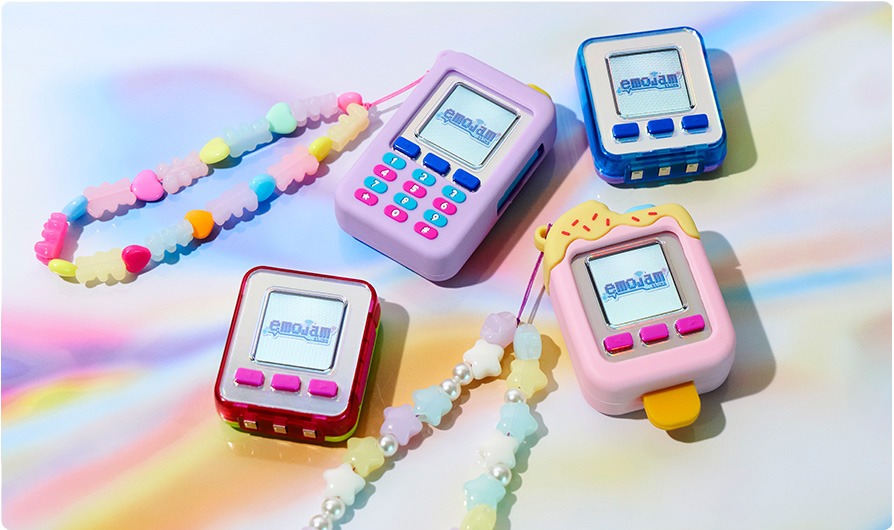
If hustle culture defined the 2010s, comfort culture defines 2026.
Young people are romanticizing rest — not as laziness, but as survival. Soft textures, warm lighting, home rituals, and “doing less” are becoming lifestyle priorities. This isn’t about aesthetics alone; it’s a response to anxiety, economic pressure, and nonstop stimulation.
Think: cozy interiors, low-effort routines, nostalgic comforts, and hobbies that don’t need to be monetized.
Why it matters:
Youth culture trends in 2026 prioritize emotional safety just as much as status.
3. Gatekeeping vs. Fandom: Loving Things Without Losing Them

Youth culture is deeply fandom-driven — but with rules.
Young people love niche interests, underground brands, and hyper-specific communities. But there’s tension: they want to share what they love without watching it get diluted or over-commercialized.
Gatekeeping isn’t always about exclusion — sometimes it’s about protecting meaning.
Why it matters:
Brands that rush into trends without respecting their cultural roots will get called out fast.
4. Wellness Goes Sideways: Biohacking Meets Emotional Healing

Wellness in youth culture trends 2026 is no longer one-size-fits-all.
Some young people are optimizing everything — sleep tracking, supplements, cold plunges, performance metrics. Others are rejecting “wellness culture” entirely and turning to ancestral healing, spirituality, and emotional resilience.
The common thread? Mental health comes first.
Why it matters:
Wellness isn’t about perfection anymore — it’s about sustainability and self-trust.
5. Culture as a Community Project

Gen Z and Gen Alpha don’t just consume culture — they participate in it.
There’s a renewed respect for heritage, storytelling, and community-based creativity. Youth culture trends in 2026 are deeply tied to local voices, cultural preservation, and authentic representation.
Young people want brands and creators to collaborate, not extract.
Why it matters:
Cultural credibility now comes from listening — not leading.
6. The Death of “Core” Aesthetics

Cottagecore. Blokecore. Clean girl. Indie sleaze.
Young people are officially tired.
In 2026, rigid aesthetic labels are losing relevance. Instead, personal style is fragmented, fluid, and deeply individual. Mixing references, eras, and moods is the point — not fitting into a named “core.”
Why it matters:
Youth culture is moving away from trend obedience and toward self-expression.
Final Thoughts
Youth culture trends in 2026 are full of contradictions — and that’s exactly the point.
Young people want:
Comfort and rebellion
Privacy and community
Tradition and innovation
The brands, creators, and platforms that will win aren’t the loudest — they’re the most observant, respectful, and adaptable.


Comments