.png)
Color Cosmetics 2026: The Rise of Smart Value, Skin-First Beauty, and TikTok-Driven Demand
- Jun 1
- 4 min read
Why performance, proof, and cultural relevance are redefining makeup in 2026
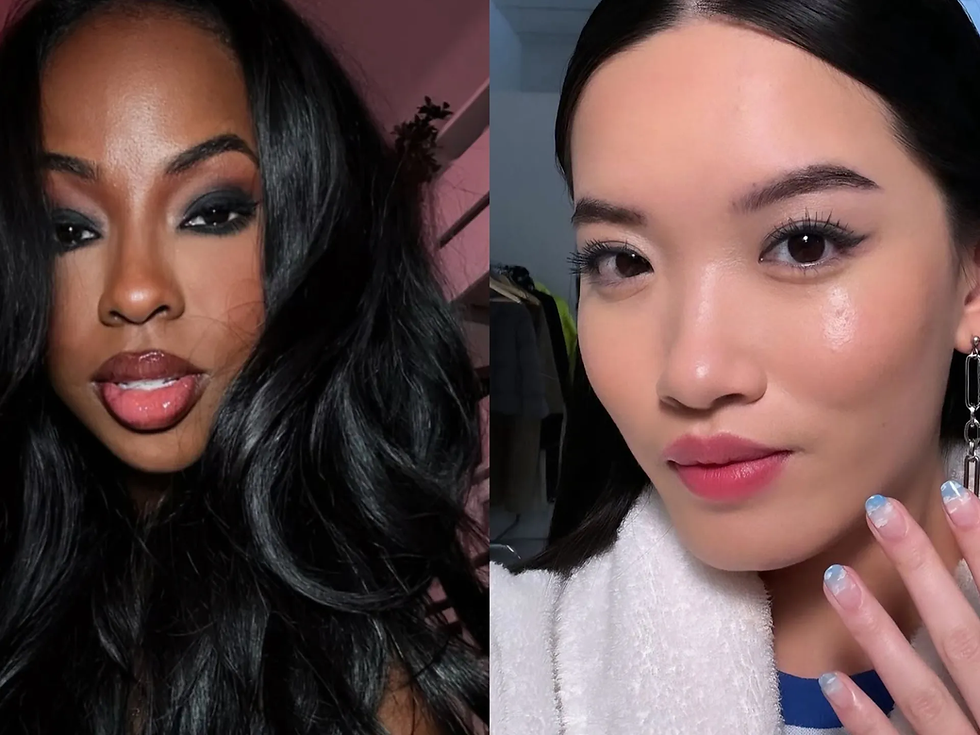
The color cosmetics industry in 2026 isn’t booming—it’s evolving.
Growth is modest, competition is tightening, and consumers are more selective than ever. But beneath that slower growth lies a powerful shift:
Makeup is no longer about more—it’s about better.
A smaller, sharper market
The US color cosmetics market sits at:
$13.45 billion (2025)
Growing at just ~1–1.2% annually
Forecast to grow ~4% through 2030
This signals a major transition:
The era of rapid expansion is over
The market is consolidating
Only the strongest brands are scaling
We’re seeing:
Brand closures and exits
Increased mergers and acquisitions
Portfolio streamlining by major players
Translation:The category is becoming more competitive—and less forgiving.
The new reality: market polarization
Economic pressure is splitting the market in two:
Budget-conscious consumers
Want clear, visible value
Prioritize multiuse and efficiency
Choose affordable brands with proven performance
Higher-income consumers
Continue to trade up
Seek artistry, experience, and emotional reward
Spend more on occasion-based expression
This creates a dual opportunity:
Everyday simplicity
Occasional bold expression
Smart value is the new decision framework
Consumers are not just spending less—they’re spending smarter.
Here’s the key insight:
Price filters the shortlist
Performance decides the purchase
Even more telling:
Only ~15% switch primarily due to price
Most switch for better results or innovation
This means:
Cheap isn’t enough—products must prove they work.
Proof beats marketing
In 2026, claims alone don’t sell products.
Consumers want:
Visible results
Demonstrable performance
Real-world validation
Winning brands show:
Before-and-after transformations
Wear tests
Ingredient breakdowns
Cost-per-wear value
If it can’t be seen, tested, or verified, it won’t convert.
TikTok is now the beauty search engine
TikTok isn’t just for inspiration anymore—it’s where decisions are made.
Consumers use it for:
Discovery
Research
Comparison
Validation
Key behavior:
Many users check TikTok before buying
Social proof drives switching
Creator credibility influences trust
In other words:
TikTok has replaced traditional beauty marketing funnels.
Social proof is now part of the product
It’s no longer enough to have a good product.
Brands must embed proof across the entire journey:
Social content → discovery
Reviews & UGC → validation
PDPs → conversion
Consumers expect:
Real user experiences
Transparent sponsorships
Active engagement from creators
Makeup routines are getting simpler
Consumers are editing their routines down to essentials.
What’s changing:
Fewer steps
Faster application
Multiuse products
What’s rising:
Tinted moisturizers
Hybrid skincare-makeup
Buildable, flexible textures
What’s declining:
Heavy layering
Full-glam routines
Powder-heavy looks
The new goal:“Your skin—but better.”
Skin-first beauty is taking over
Makeup is increasingly behaving like skincare.
Consumers want:
Barrier-friendly formulas
Lightweight textures
Natural finishes
Comfort over coverage
Performance is now defined by:
Blendability
Realistic skin finish
Wear without discomfort
This shift is reshaping every category:
Face → dewy, buildable
Eyes → minimal, clean
Lips → comfort-first, hybrid textures
Lip is the breakout category
Among all segments, lip products show the strongest growth.
Why?
Easy experimentation
Lower price point
High visual impact
Trending formats:
Lip oils
Tinted balms
Peel-off stains
What’s declining:
Heavy matte lipsticks
Rigid, drying formulas
Consumers want lips that:
Look good, feel good, and wear naturally.
“Minimal effort, maximum impact” defines the category
Daily makeup is about ease.
But that doesn’t mean boring.
Consumers are balancing:
Effortless everyday looks
Bold, expressive moments
Higher-spending consumers especially:
Use makeup for mood and identity
Shift looks based on occasion
This creates a key opportunity:
Simple daily staples
High-impact “occasion” products
Emotional utility is driving usage
Makeup is no longer just aesthetic—it’s emotional.
Consumers use it for:
Confidence
Mood regulation
Identity expression
Especially among younger users:
Makeup = self-expression
Makeup = wellness ritual
Brands should think of makeup as:
“confidence tech” rather than just cosmetics.
Consumers are buying fewer—but better
The modern shopper is a curator.
They want:
Fewer products
Higher performance
Clear value
They evaluate products based on:
Results
Price justification
Brand values
This is a shift from:
Quantity → Quality
Routine → Intentionality
Ingredient awareness is rising
Consumers are researching more than ever.
Especially younger users:
Actively investigate ingredients
Compare formulations
Look for safety and efficacy
Expectations now include:
Clean claims
Transparency
Science-backed benefits
AI is changing how products are discovered
AI is becoming a new retail gatekeeper.
Platforms like ChatGPT are emerging as:
Discovery engines
Recommendation tools
Shopping assistants
This introduces a new challenge:
If your product isn’t structured for AI, it may not be seen at all
Brands must optimize for:
Structured product data
Clear claims
Ingredient taxonomy
Shade and compatibility metadata
The risk: “AI shelf invisibility”
In traditional retail, shelf space mattered.
In 2026:
Algorithmic visibility matters more.
Products without:
Clean data
Clear descriptions
Updated feeds
…risk being excluded from:
AI recommendations
Social commerce algorithms
The competitive landscape is tightening
The industry is consolidating fast.
We’re seeing:
Smaller brands shutting down
Strong indies being acquired
Big players trimming portfolios
Winners share common traits:
Strong identity
Fast innovation cycles
Creator ecosystem integration
Clear value proposition
Cultural relevance is now mandatory
Consumers expect brands to be:
Inclusive
Authentic
Culturally aware
Global influences are growing:
K-beauty textures
Regional aesthetics
Diverse shade storytelling
Brands that connect culturally:
Win emotional loyalty—not just transactions.
Sensory experience is becoming a differentiator
More than 50% of users care about:
Texture
Feel
Visual appeal
Products must deliver:
Satisfying application
Appealing finishes
“Instagrammable” transformations
The future: fewer brands, higher expectations
The next phase of color cosmetics will be:
More concentrated
More strategic
More performance-driven
Success will depend on:
Proving value quickly
Innovating with purpose
Building trust through transparency
Key takeaways for 2026
1. Performance is everything
Consumers switch for results—not price.
2. Price still matters—but as a filter
It determines what gets considered.
3. TikTok drives the funnel
Discovery, validation, and conversion all happen there.
4. Simplicity is winning
Fewer steps, more multifunctional products.
5. AI is reshaping discovery
Structured data = visibility.
6. Emotional value matters
Makeup is identity, not just appearance.
The bottom line on Color Cosmetics Trends 2026
Color cosmetics in 2026 is no longer about hype or excess.
It’s about:
Proof over promises
Performance over price
Intentionality over volume
The brands that win will:
Deliver visible results
Show value clearly
Stay culturally relevant
Adapt to AI-driven discovery
Because today’s consumer isn’t just buying makeup.
They’re buying confidence, identity, and proof that it works.


Comments